When a Kingdom Invests in Gaming: More Than Just a Buyout

I remember when video games were something people played in their bedrooms. Now, I’m watching one of the most powerful sovereign wealth funds in the world write a check $55 billion to take over a global gaming giant. That tells a story much bigger than technology or profit. It’s about strategy, identity, and a vision for youth.
The Announcement That Shook Gaming
Electronic Arts (EA), the company behind The Sims, Battlefield, Madden NFL, and EA Sports FC, has entered an agreement to be acquired by a consortium led by Saudi Arabia’s Public Investment Fund (PIF), along with Silver Lake and Affinity Partners. The deal values EA at about $55 billion, making it one of the largest buyouts in entertainment history.
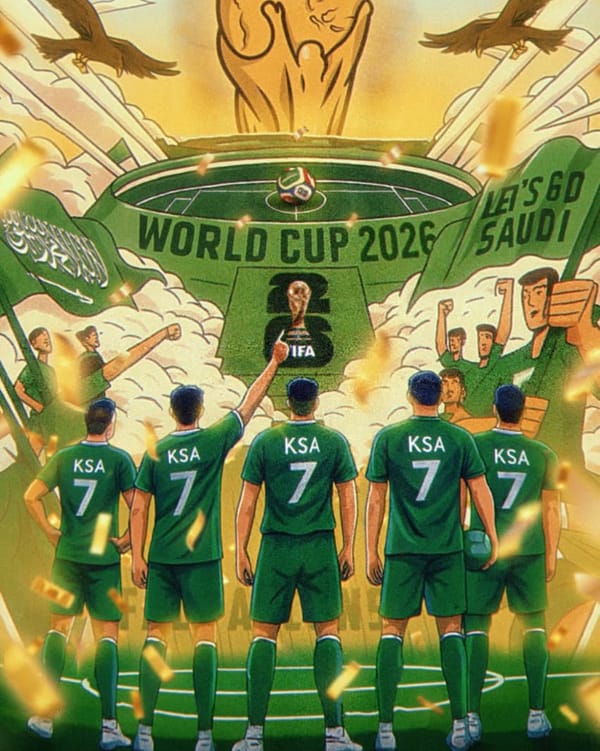
For PIF, this isn’t a random investment. It’s part of a deliberate strategy to anchor Saudi Arabia at the heart of the global gaming and esports industry.
Why This Deal Matters
This isn’t just about numbers. It’s about positioning.
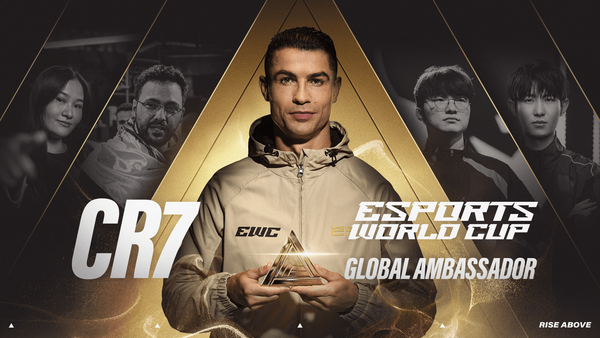
- Gaming as Strategy: Saudi Arabia has already invested heavily in Savvy Games Group, acquiring stakes in Nintendo, Scopely, and FACEIT. EA is the next step, a move into the top tier of global publishers.
- Long-Term Innovation: Going private allows EA more freedom to experiment, away from the constant pressure of quarterly earnings. Its CEO Andrew Wilson will stay in charge, signaling continuity and confidence.
- Cultural Elevation: When a sovereign fund backs gaming, it elevates the perception of the entire industry. It says: this is not just play—it is culture, economy, and influence.
What This Means for Saudi Arabia’s Vision
I see three dimensions in which this acquisition resonates:
- Youth & Economy: Saudi Arabia’s demographic is young. Investing in games and digital entertainment is investing in what this generation lives and breathes.
- Soft Power & Identity: With gaming, you export content, culture, values. You build ecosystems around creativity.
- Industry Ecosystem: Control over a global publisher opens doors into development, IP, distribution, crossovers to sports, media, and tech.
It also positions Saudi Arabia not just as a consumer of global media, but as a creator.
The Challenges Ahead
Of course, there are risks. Financing $20 billion in debt for the acquisition will test execution. Public perception of EA’s creative independence will be closely watched. And regulatory approval for a foreign-led takeover of a U.S. entertainment giant could add hurdles.
Yet even with these challenges, the scale of ambition is clear.
A New Chapter for Gaming
To me, this is more than a transaction. It’s a turning point.
Imagine a young gamer in Riyadh logging into EA Sports FC or The Sims, knowing that the company behind the game is now partly owned by her country. That connection between personal passion, national pride, and global culture is powerful.
This is where gaming stops being just an industry and becomes part of a nation’s story.