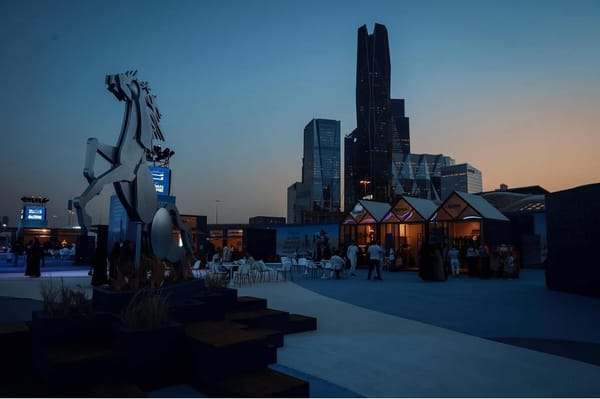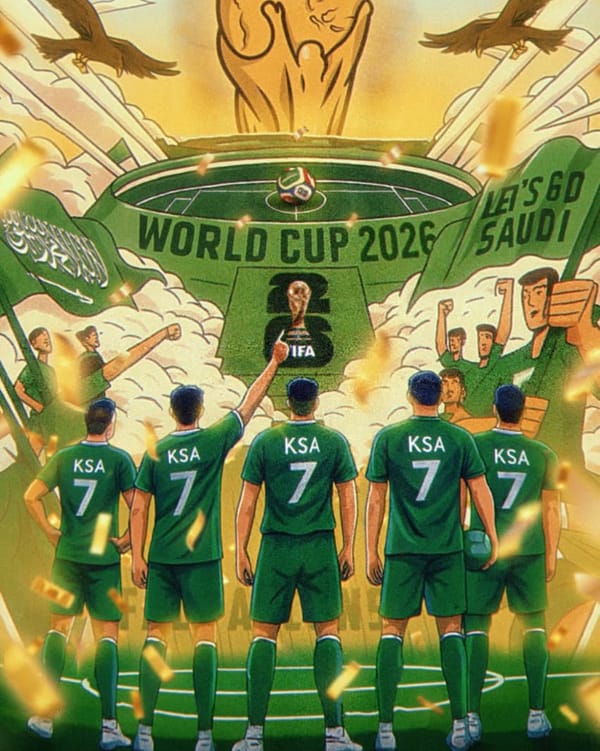
From Screens to Stadiums: The Esports World Cup and the Future of Global Sport

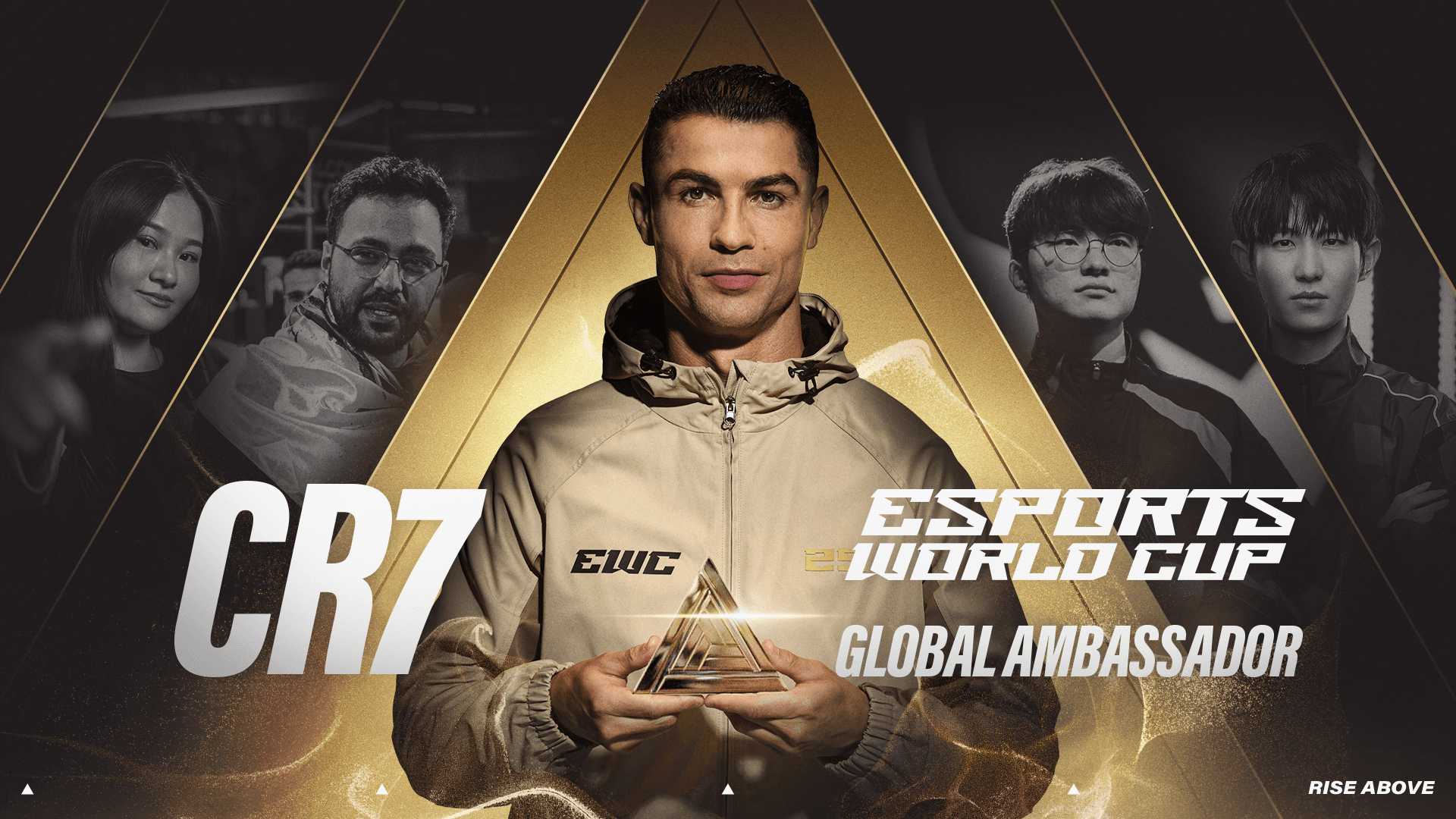
When I first followed the Esports World Cup, I thought it was about matches, prize pools, and flashy stages. But being immersed in it this summer, I realized it is bigger than that. It is a mirror of ambition, where the passion of players meets the vision of nations, and where the future of sport is being redefined in real time.
The Human Stories Behind the Screens
What struck me most was not the size of the stage but the faces on it.
Take Magnus Carlsen, the world chess champion. At first, it seemed unusual to see chess in an esports competition. Yet when he lifted the first EWC chess trophy in Riyadh, it felt like history, proving esports is not defined by a specific game, but by the stage it offers to talent.
Or Team Falcons, Saudi Arabia’s pride. They defended their Club Championship title and walked away with $7 million. It was not just a victory for a team; it was a statement: Saudi Arabia is not only hosting esports, but it is competing, leading, and winning on the global stage.
And then there were the rising stars. Teenagers who once played from their bedrooms, now walking into packed arenas under bright lights. Their stories remind me that esports is more than play; it is a profession, a career, and in many ways, a new language of youth empowerment.
Beyond the Cup: A Conference for the Future
Just as the EWC ended, another stage opened in Riyadh: the New Global Sport Conference (NGSC 2025). If the World Cup was the heart, this conference was the mind.
Imagine over 1,000 decision-makers, from CEOs of gaming giants to government leaders, gathered to discuss what comes next. It was not about who won or lost; it was about shaping the future. Leaders spoke about esports as part of Vision 2030, not just as entertainment but as a driver of jobs, innovation, and global influence.
Partners such as stc, Qiddiya, Aramco, AWS, and Savvy Games Group were also present, demonstrating that esports is no longer a niche market. It is becoming an industry with weight, backed by the same players shaping energy, infrastructure, and technology worldwide.
Why This Moment Matters
Seeing both the World Cup and the Conference unfold back-to-back made one thing clear: esports is evolving from a spectacle to a system.
- For Players: It is no longer just about being good at a game. It is about being part of a global community, with pathways to careers and recognition.
- For Nations: It is soft power, culture, and economy wrapped into one. Hosting these events puts Saudi Arabia at the center of global sport’s next era.
- For the Future: Esports will not stay confined to traditional games. Chess was only the beginning. Soon, we will see hybrid competitions, VR sports, and new formats that challenge the definition of what sport even is.
The Esports World Cup showed me the faces of this new era: players, champions, dreamers. The Global Sport Conference revealed the forces shaping it: leaders, investors, and policymakers. Together, they paint a picture of where we are heading, a world where sport is no longer just physical, no longer just digital, but a blend of both.
In that blend lies the future. A future where the story of esports is not just about games, but about people, nations, and the possibilities that emerge when ambition meets opportunity.